
 Victor Arias
IT support for a business in 2026 costs between $15 and $120 per user per month, between $25 and $60 per hour, or from $500 to over $10,000/month on an all-inclusive plan depending on seats and coverage hours. A plan with an SLA and a monthly report is usually cheaper than billing hours one by one.
"How much does IT support cost for a business?" is one of the questions we get most, and it usually arrives with the same doubt: people can't tell whether the quote on their desk is expensive or simply comparing different things. The short answer: in 2026, IT support for a mid-sized company usually runs between $15 and $120 per user per month, or between $25 and $60 per hour if you pay per incident.
The problem is that those numbers mean nothing without a breakdown. In this article I explain the three pricing models that exist, what each one includes, why hourly rates usually end up being more expensive, and how to choose the plan that fits your company without paying for features you'll never use.
How much IT support costs in 2026: the three models
Three ways of contracting IT support coexist in the market. None is better on its own: they change with the size of your team, the criticality of your systems and how much predictability you need in the invoice.
Per hour (incident by incident)
- General technician: $25-60/h in Latin America; $80-150/h in the US and Europe.
- Specialist or advanced level: $60-120/h (networks, servers, security).
- Out-of-hours emergency: a typical 50-100% surcharge on the base rate.
Per user per month
- Basic helpdesk: $15-45/user/month. Business-hours support, delivered remotely.
- Managed support: $50-120/user/month. The above + monitoring, patching, backups and a monthly report.
- Security included: $20-60/user/month extra if you add managed email, MFA and endpoint backup.
All-inclusive plan (per company)
- SMB with 10-25 seats: $500-2,500/month depending on hours and criticality.
- Company with 25-100 seats: $2,500-10,000/month with SLA and on-call cover.
- 24/7 critical operation: from $10,000/month, with a dedicated team and compliance.
What moves those ranges: the number of seats, coverage hours, how critical your systems are, and whether audits or certifications are involved. And yes, a per-company plan is usually cheaper per user than buying hours one by one.
 Good support is measured in real response time, not in billed hours.
What a good IT support service includes (and what it doesn't)
Before comparing prices, compare deliverables. A serious IT support service includes at least:
- Helpdesk with a single channel (email, phone or chat) and every incident logged.
- Monitoring of servers, network and devices: they alert you before your customers do.
- Patches and updates for the operating system and applications.
- Backups that are verified, not just "configured".
- Basic security: anti-malware, MFA and access management.
- Monthly report with incidents, times and improvements.
The service level (SLA)
The SLA is what turns a promise into a contract: response time (from 15 minutes to 4 hours depending on the plan), resolution time and committed availability. Without a written SLA, "we'll fix it as soon as possible" is worthless when you actually need it.
And one detail that separates professionals from improvisers: monitoring. Paying $30 more a month for someone watching your systems overnight usually costs less than a single unplanned hour of downtime.
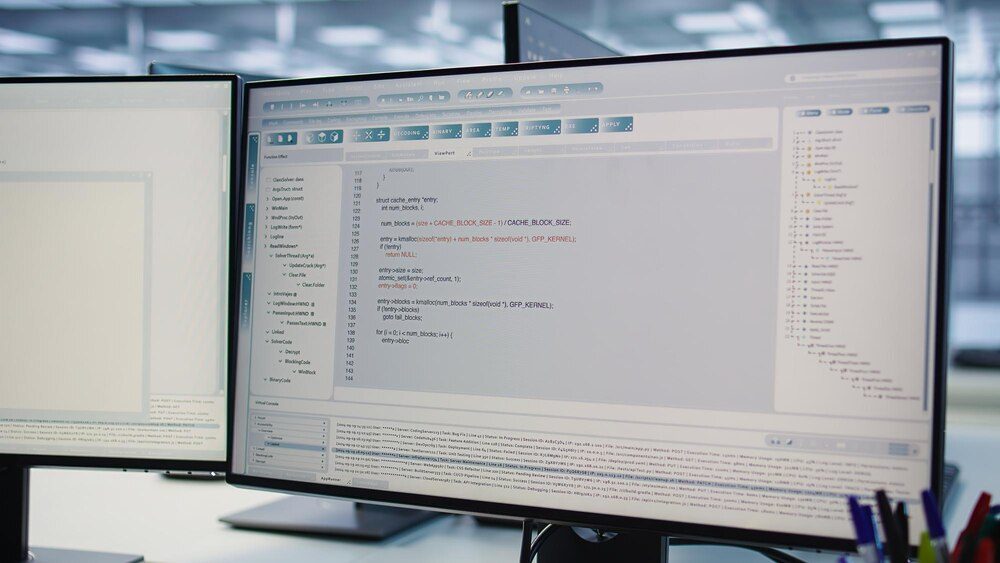 Monitoring turns reactive support into preventive support.
Why hourly billing usually costs more
Paying per hour looks cheaper until you do the math. A 15-person team with four incidents a month, two hours each, is 32 billed hours: on hourly rates that easily reaches $1,600-2,400, and that's without counting the incidents your own team resolves alone because they're afraid of the bill.
The hidden cost of downtime
Add the stoppage of your people while they wait: half an hour of waiting per employee per month is more than 90 hours lost a year. Fixed-plan support flips the incentive: the provider benefits from nothing breaking, not from things breaking more often.
We analyze this in detail in why you should outsource IT support and in when IT outsourcing makes sense.
How to choose the right plan for your company
- Inventory your seats, servers, critical applications and who uses them.
- Define criticality: which system, if it fails, stops your business today.
- Ask for the SLA in writing: response, resolution and availability.
- Compare the total three-year cost, not the first invoice.
- Require a monthly report: if you don't measure, you don't know if you're overpaying.
If your team already exceeds 20 seats or you need extended hours, it's worth looking at managed IT services or an IT outsourcing formula with predictable cost.
Signs you're paying too much (or too little)
- The invoice varies by more than 30% every month with nothing having changed.
- Incidents get resolved, but nobody sends you a monthly report.
- Your backups have never been restored in a test.
- The same incidents repeat every few months.
- You buy hours and the provider never suggests preventive improvements.
Any of these points to the same thing: you're paying for reactive support. The full comparison between building an in-house team and contracting one is in external IT support vs in-house team.
Conclusion: cheap IT support usually turns out expensive
The real cost of IT support is not the monthly fee: it's the fee plus the lost hours, the outages and the technical debt that piles up because nobody is watching your systems. A reasonable plan, with SLA and reporting, pays for itself with a single avoided incident per quarter.
At TakeYourDesign we give clear, itemized prices for IT support and managed services, with no lock-in and sized for your company. Request your quote and we'll tell you within 24 hours which model fits you and what it should really cost.
Frequently asked questions
How much does IT support cost for a 20-person company?
$500-2,500/month on an all-inclusive plan, or $15-45 per user on a helpdesk model. Get an itemized quote.
What is an IT support SLA?
The written commitment to response and resolution times (15 minutes to 4 hours depending on the plan). Without an SLA the promise is worth nothing. See IT support.
How much does hourly IT support cost?
$25-60/h in Latin America and $80-150/h in the US and Europe; out-of-hours emergencies add a 50-100% surcharge.
What does managed IT support include?
Helpdesk, monitoring, patching, verified backups, basic security and a monthly report. Details on managed IT services.
Is external IT support better than an in-house technician?
Under 20 seats, external support is usually cheaper and more complete. Compare in external vs in-house.
How do I request an IT support quote?
Tell us your seats, systems and hours and we reply within 24 hours. Request your quote here.