 Victor Arias
Café Expresso is a coffee roaster whose site moved to WordPress with a theme of its own: a product catalog with a management panel, technical SEO and content, a quote form, a blog and a multilingual version, alongside performance work. Organic visits grew by 180%.
| Client | Café Expresso |
| Industry | Coffee roaster |
| Service | WordPress Development |
| Stack | WordPress, Custom theme, Product catalog, Management panel, Technical SEO, Performance, Quote form, Blog, Multilingual |
| Duration | 4-6 weeks |
| Our role | Design and development of the site on WordPress: custom theme, product catalog with a management panel, technical SEO and content, performance work, quote form, blog and multilingual version. |
| Published | September 8, 2026 |
A coffee catalog does not sell like a single product: it sells by variety, origin and format, and whoever buys usually wants to know before ordering. If the site neither explains the product nor shows up in searches, the catalog exists but does not work: it is there for people who already know the brand, and not for anyone searching for coffee right now.
Café Expresso is a coffee roaster whose site moved to WordPress with a theme of its own: a product catalog with a management panel, technical SEO and content, a quote form, a blog and a multilingual version, alongside performance work. Organic visits grew by 180%.
The challenge: a catalog that exists but cannot be found
The roaster already had product, brand and customers. What was missing was for the catalog to work on its own: to be findable without depending on someone already knowing the name, and to be kept up to date without asking for help every time a price changes.
Coffee: bought by variety, origin and format
Someone searching for coffee types the variety, the origin, the roast or the format: beans or ground, a one-kilo bag or a two-hundred-and-fifty-gram one. If the product page does not describe all of that, the visit does not find what it is looking for and goes elsewhere, with the product having nothing to envy.
A catalog nobody can update
A coffee catalog changes constantly: harvests come in, formats go out and prices are adjusted. When every change depends on a third party, the catalog falls out of date, and an out-of-date catalog is worse than an incomplete one: the customer sees what is no longer available and stops trusting it.
Showing up in searches that are not the brand name
The site worked for people who already knew the roaster, but not for the searches that describe the product. That is the difference between having a website and having a channel: without structure and content answering those searches, the traffic that arrives is always the same traffic that already knew you.
The solution: a WordPress catalog with a panel of its own
The site was built on WordPress with a theme of its own and one underlying decision: that the catalog should be manageable by whoever sells coffee, not by a developer. Everything else — structure, content, performance and languages — was built around that idea.
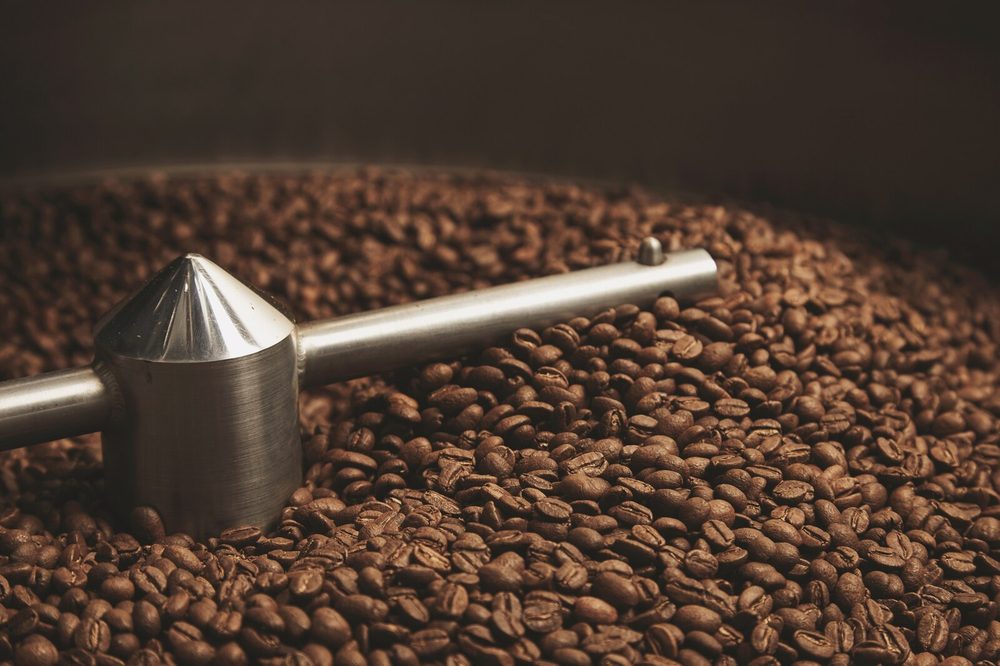 With coffee the product page is almost everything: variety, origin and format are the details that decide a purchase before the product is even tasted.
A custom theme and a product catalog
Each coffee has its page with what matters: variety, origin, roast and available formats. The design is our own and holds across every page, so the catalog can grow without the brand being diluted along the way.
A management panel for day-to-day work
The panel allows products to be created, prices changed and formats adjusted without touching the design or depending on anyone. It is the part least seen and the one that decides whether the catalog is still alive in six months: a catalog only works if it is updated.
Technical SEO, content and blog
The site structure, titles, descriptions and content were worked on so that each product page can rank on its own in searches. The blog supports that strategy with content that attracts people who do not know the brand yet and leads them to the catalog once they know what they want.
From visit to quote
With coffee the order is almost never a click: it is a conversation about volume, format, grind and shipping. The site had to gather those details at the moment interest is high, instead of leaving the visitor looking for a phone number.
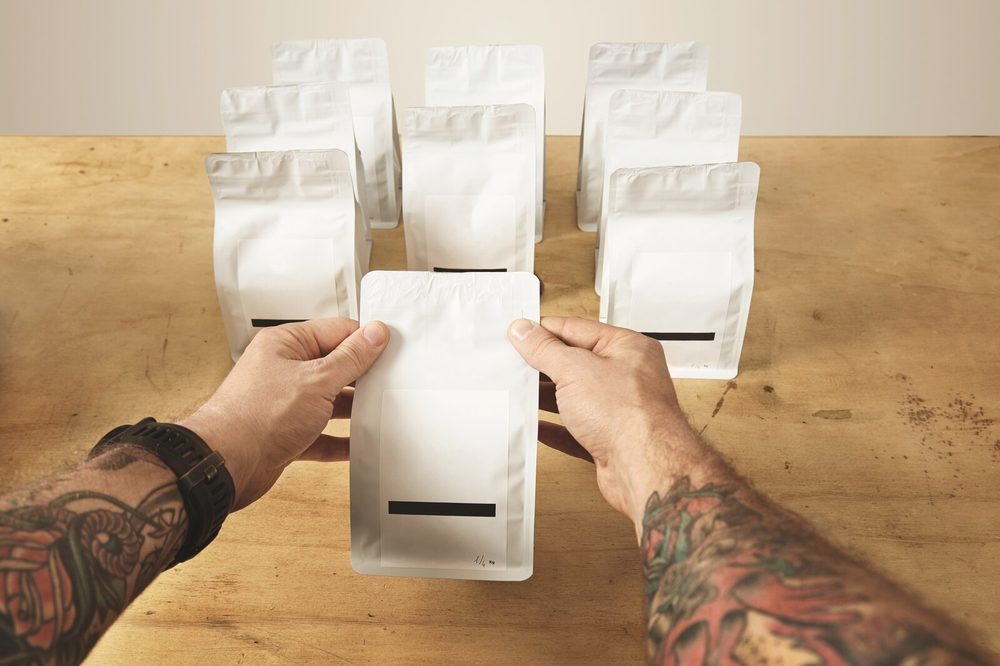 A catalog only works if it is updated: the management panel is what keeps prices and products current without depending on anyone.
Quote form
The form gathers what is needed to answer well the first time: which product, what quantity and for what use. With those details, the conversation starts where it should and the first few back-and-forths that cool a purchase are saved.
Performance and multilingual
The performance work keeps the site fast even with a catalog full of images, which is the main weight of any product store. And the multilingual version opens the catalog to buyers who do not read Spanish, something natural for a product that travels well.
Results
The site went live with the custom theme, the product catalog, the management panel, the technical SEO and content, the quote form, the blog, the multilingual version and the performance work. These were the needs and how they were solved:
| Need | How it was solved |
| A catalog that does not show up in searches | Technical SEO, content and performance |
| A catalog that only changes if a third party changes it | Management panel |
| Visitors who cannot tell what is being sold | Product catalog with product pages |
| A site that did not represent the brand | Custom WordPress theme |
| Orders that start with too many questions | Quote form |
| Content that stayed in the catalog and attracted nothing | Blog |
| Buyers who do not read in Spanish | Multilingual version |
The measured result: 180% more organic visits. It is the figure that tells the real change, because those visits do not arrive because someone knew the brand, but because the catalog is found when someone searches for coffee.
What a coffee roaster's website needs
If you have a catalog and a brand but the site brings in no new people, these are the points worth reviewing:
- A catalog that explains variety, origin and format for each coffee, without assuming it is understood.
- Structure and content that make the product pages show up in the searches that describe the product.
- A panel of your own to update prices and products without depending on anyone.
- A form that gathers what is needed before the first conversation.
- Content that attracts people who do not know the brand and then leads them to the catalog.
- Speed and languages, because coffee is searched for and bought from anywhere.
If your catalog exists but does not show up, our WordPress development page explains how we work, and you can write to us to go through it together.
Frequently asked questions
Why does a catalog need a management panel?
Because a coffee catalog changes: harvests come in, formats go out and prices are adjusted. If every change depends on a third party, the catalog falls out of date, and out of date is worse than incomplete. With a panel of your own, the seller updates in minutes what they know better than anyone.
What does technical SEO add for a coffee roaster?
It makes the catalog findable. People search for coffee by type, origin or format, and if the site structure and the content do not describe the product, those searches end somewhere else even if the catalog is better. Technical SEO is what allows each product page to rank on its own.
What is a quote form for in a catalog?
Because with coffee the order usually starts as a question: volume, format, grind and shipping. A form that collects those details saves the first few back-and-forths and gets the conversation started where it should, with the practical side already settled.
How is the result of a catalog site measured?
With organic visits, most-viewed product pages, quote requests and loading speed. Organic visits are the figure that says whether the catalog is found or merely exists, and the one that best explains business growth when the product is already good.