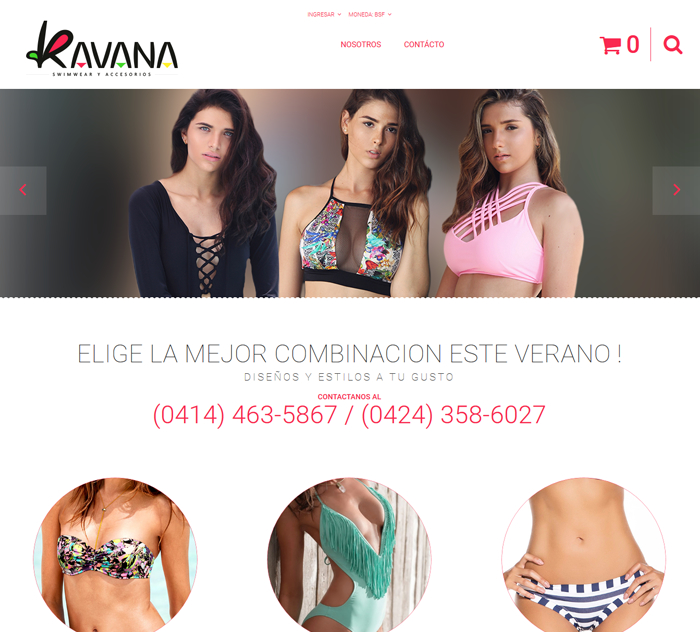
 Victor Arias
Kavana Eshop is a swimwear store built on Shopify with a custom theme: the catalog is organised by collections, every product is presented with careful photography and a size guide, customers put their pieces together in a configurator before paying and the store explains and manages shipping and returns. The project was delivered in four to six weeks, with 140% more orders and 45% less load time.
| Client | Kavana Eshop |
| Industry | Swimwear |
| Service | Shopify Development |
| Stack | Shopify, Liquid, Custom theme, Catalog by collections, Size guide, Order configurator, Online payment gateway, Performance optimisation |
| Duration | 4-6 weeks |
| Our role | Development of the Shopify store: custom theme, catalog by collections, size guide, order configurator, online payment, shipping and returns and load-time optimisation. |
| Published | December 10, 2020 |
Buying clothes online has a problem that pretty photos do not solve: nobody can try them on. In swimwear, size is the doubt that decides the purchase and the one behind most returns.
Kavana Eshop was built on Shopify with a custom theme: a catalog by collections, a size guide, an order configurator, online payment and clear shipping and returns. The project was delivered in four to six weeks, with 140% more orders and 45% less load time.
The challenge: selling clothes that cannot be tried on
In online fashion customers cannot touch the product or try it on, and that turns every doubt into an abandoned cart or a return. The store has to answer before those doubts appear: which size to order, how it looks and how to return it if it does not work.
Size is the doubt that decides
Nobody buys a swimsuit hesitating between two sizes: they either drop it, or order both and return one. A guide with real measurements — not a generic copied table — is what turns that uncertainty into an order and avoids the cost of a return.
The product is bought with the eyes
In fashion, photography is the fitting room: customers decide by looking. A careful image, with the product clear and consistent across pages, does more for conversion than any description text.
The collection changes every season
New pieces come in, seasonal ones are retired and colours change. The catalog has to be reorganisable by collections without rebuilding the store, because the business moves every few months.
The solution: Shopify with a custom theme
We started from Shopify and built the theme and the pieces that answer a fashion store's doubts: organisation by collections, the size guide, the order configurator and the purchase, shipping and return flow.
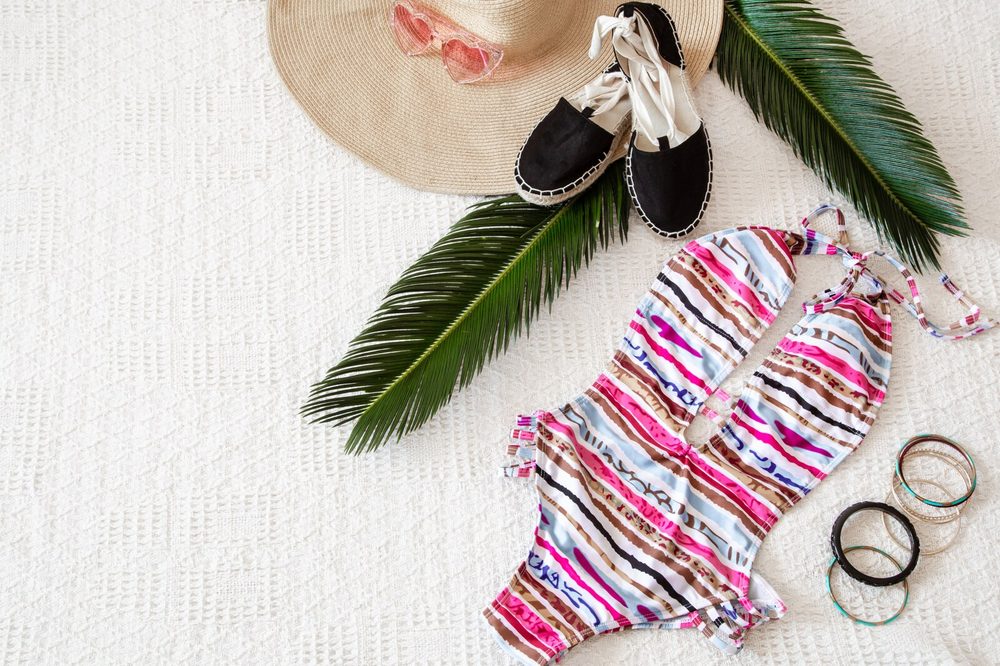 In fashion photography is the fitting room: customers decide by looking, so presenting the product is part of the build.
Catalog by collections
The store is organised by collections and seasons, so visitors understand at a glance what is on sale now and find their size and style without scrolling through an endless listing.
Size guide with real measurements
Every product carries its size guide with concrete measurements and a clear recommendation, not a generic table. It is the piece that prevents the most returns in a clothing store: the size doubt solved before buying.
Order configurator before paying
Customers combine the pieces, colours and sizes they want and see their purchase assembled before going to checkout. What is configured on screen is what ships, so both mistakes and messages asking for changes go down.
How we implemented it in four to six weeks
The project was organised around two ideas: that the product looked right and that the page did not weigh too much. With photography and performance solved, the rest was the visible part of the store.
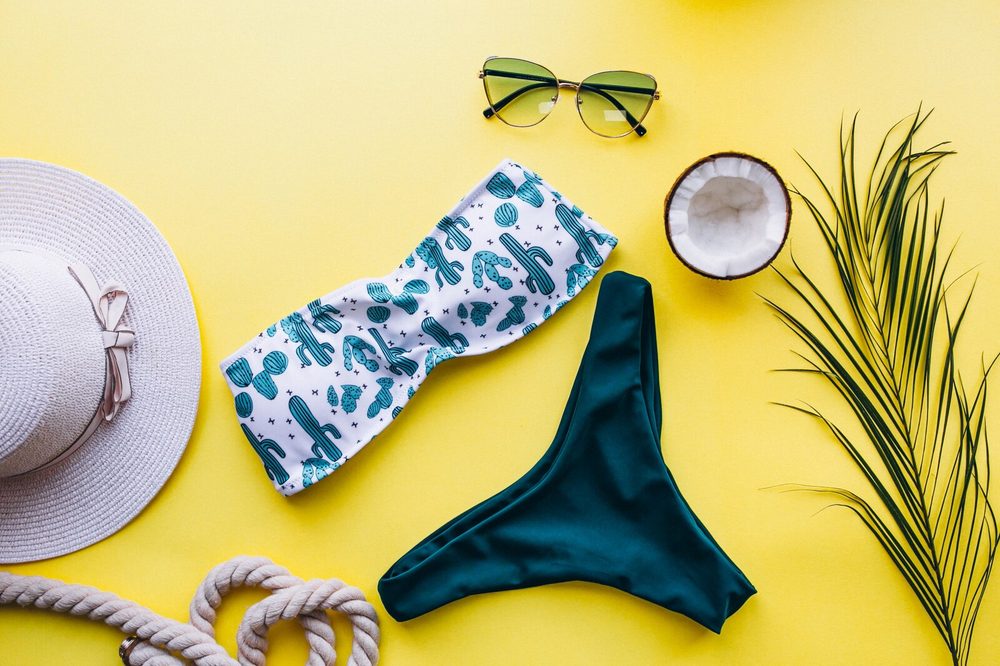 Optimised images and a light theme: in fashion, the speed of the first screen weighs as much as the catalog.
Product photography and page weight
Images were treated as part of the build: carefully presented, optimised and served at the size each spot on the page needs, on a light theme. In a store where everything is decided by looking, that is performance and conversion at the same time.
Shipping and returns with no small print
The store states plainly how long shipping takes, what it costs and how a piece is returned. In fashion, a clear returns policy does not encourage returns: it encourages purchases, because it removes the fear of ordering the wrong size.
Results
The store was delivered with the catalog by collections, the size guide and the configurator working. These were the needs of the project and how they were solved:
| Need | How it was solved |
| The collection being understood at a glance | Catalog organised by collections and seasons |
| Customers knowing which size to order | Size guide with real measurements per product |
| Building the purchase without doubts | Configurator for pieces, colours and sizes before paying |
| The product looking like it is | Careful and consistent product photography |
| Buying and returning being clear | Online payment, shipping and returns explained plainly |
The measured results of the project: 140% more orders and 45% less load time. Both figures tell the same story from different sides: when size stops being a risk and the store loads fast, more visits end in an order; and when the product looks like it is, fewer pieces come back.
What an online fashion store needs
If you sell clothes or accessories and are planning the store, these are the points that decide whether it converts:
- A size guide with real measurements: it is the doubt that blocks the most orders and generates the most returns.
- A configurator to combine pieces and sizes, so customers build their purchase without messaging back and forth.
- A catalog by collections, reorganised each season without rebuilding the store.
- Careful product photography: in fashion, the image is the fitting room.
- Online payment with an integrated gateway and as few steps as possible.
- Clear shipping and returns, which remove the fear of getting it wrong.
- Performance looked after: a light theme and optimised images, because the catalog is meant to be looked at.
If your catalog changes every season and you want a store that solves doubts instead of stacking them up, our Shopify development page explains how we work, and you can write to us to go through your case.
Frequently asked questions
Why does a size guide decide sales in a fashion store?
Because size doubt is the main reason people do not buy clothes online and also the main cause of returns. If customers do not know whether it will fit, they either do not buy or buy two sizes and return one: solving that doubt with a clear guide and real measurements is what turns a visit into an order.
What does an order configurator add?
That customers build their purchase the way they want — combining pieces, colours or sizes — before going to checkout, and that what they see matches what they receive. In fashion, the less they have to imagine, the fewer returns and the fewer messages asking questions.
How do you reduce load time in a store with lots of photos?
By treating images as part of the build: optimised, served at the size each spot on the page needs and on a light theme, without components loading more than they should. In fashion, where everything is decided by looking, the speed of the first screen weighs as much as the catalog.
How long does a fashion store on Shopify take?
This project was delivered in four to six weeks. The schedule is set by the theme, loading the catalog by collections with its photos, the size guide, the configurator and testing purchase, shipping and returns.